
Welcome to Cimavita
Get to
know us
We are a registered Cultural Association here in Molise. We create events, and experiences where nature, culture, and all that is Molisano converges.
We show the world the wonders that exist in this ancient region.
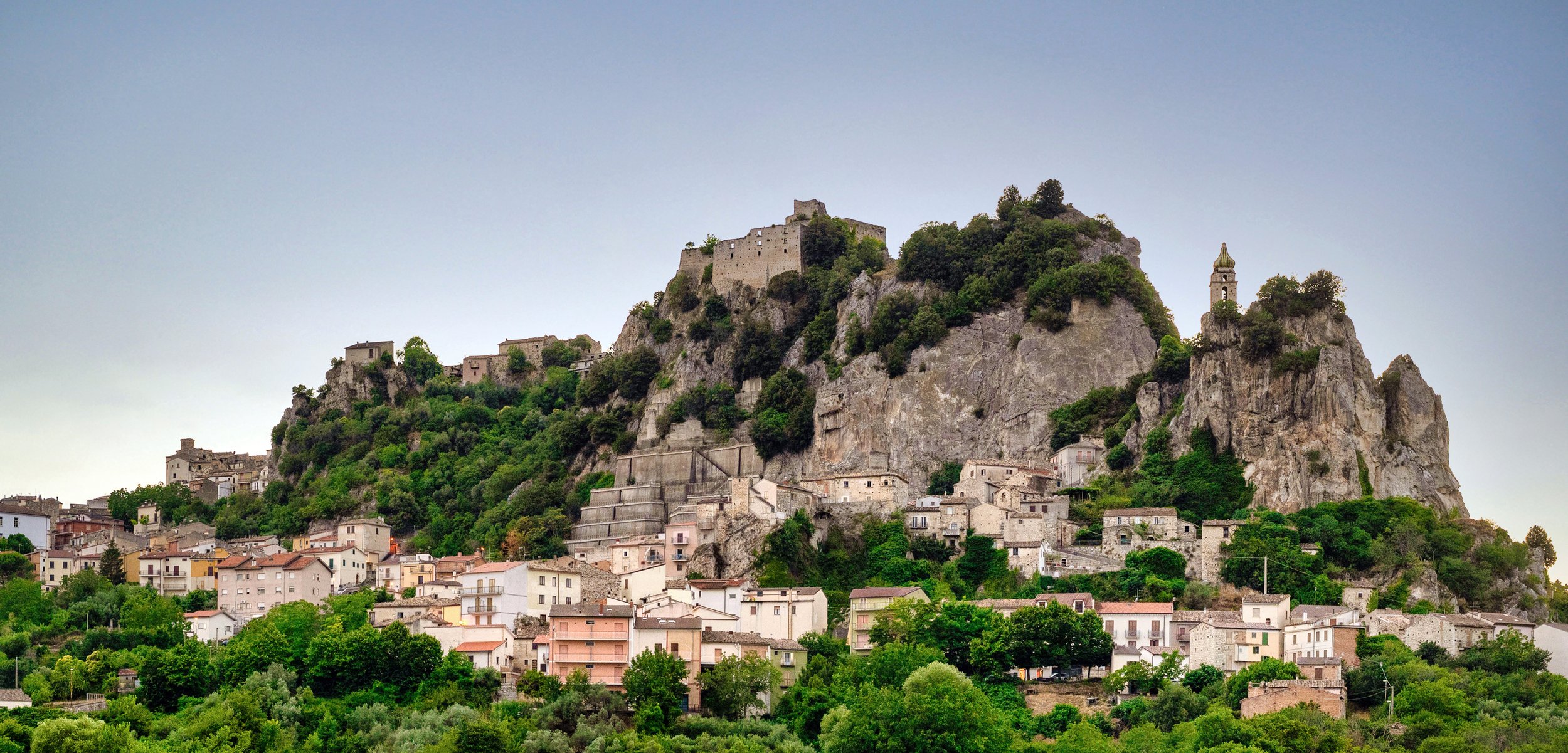
Based in Bagnoli del Trigno, a medieval hilltop village perched on rocky cliffs, surrounded by olive groves, and winding valleys. Its narrow stone streets, ancient churches, and breathtaking views make it a hidden gem of southern Italy where history and nature meet in quiet harmony.
Within Cimavita we also have a project involving the restoration of six historic buildings. Communal dining and gathering spaces, as well as retreat facilities and even accomodations are the goal.
The term an intellectual salon has always been important.

Our Mission
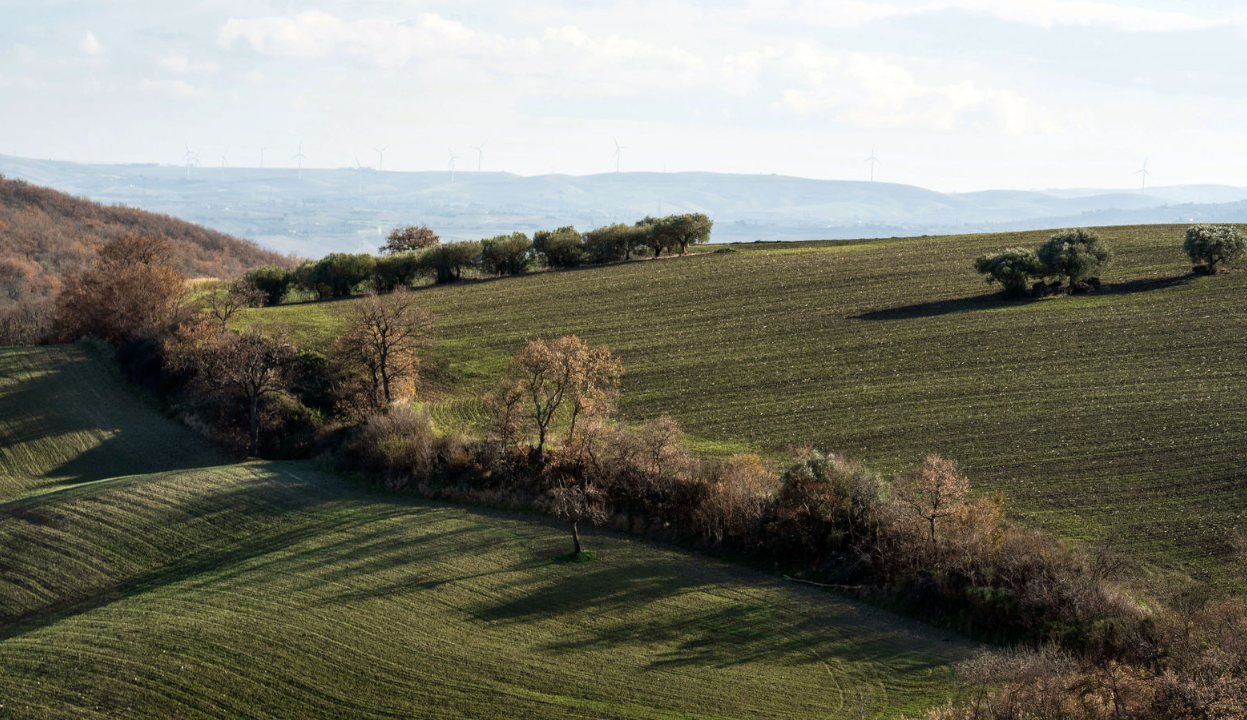
Cimavita is unique in Molise, with the mission to connect the world with all that is Molisano and vice versa. Molise that is still attached to its ancient cultures and rural ways . Set in a world in the middle of Italy untouched and undeveloped.
What we do
We help preserve local authenticity. An ancient part of the backbone of Italy, within the Apennine mountains and the Adriatic sea. Farming is traditional, respect of elder opinions and ways, a kitchen blessed in the way grandmothers baked. Even dialects differ from village to village. At the same time, towns with super restaurants and wine remain to be explored.