
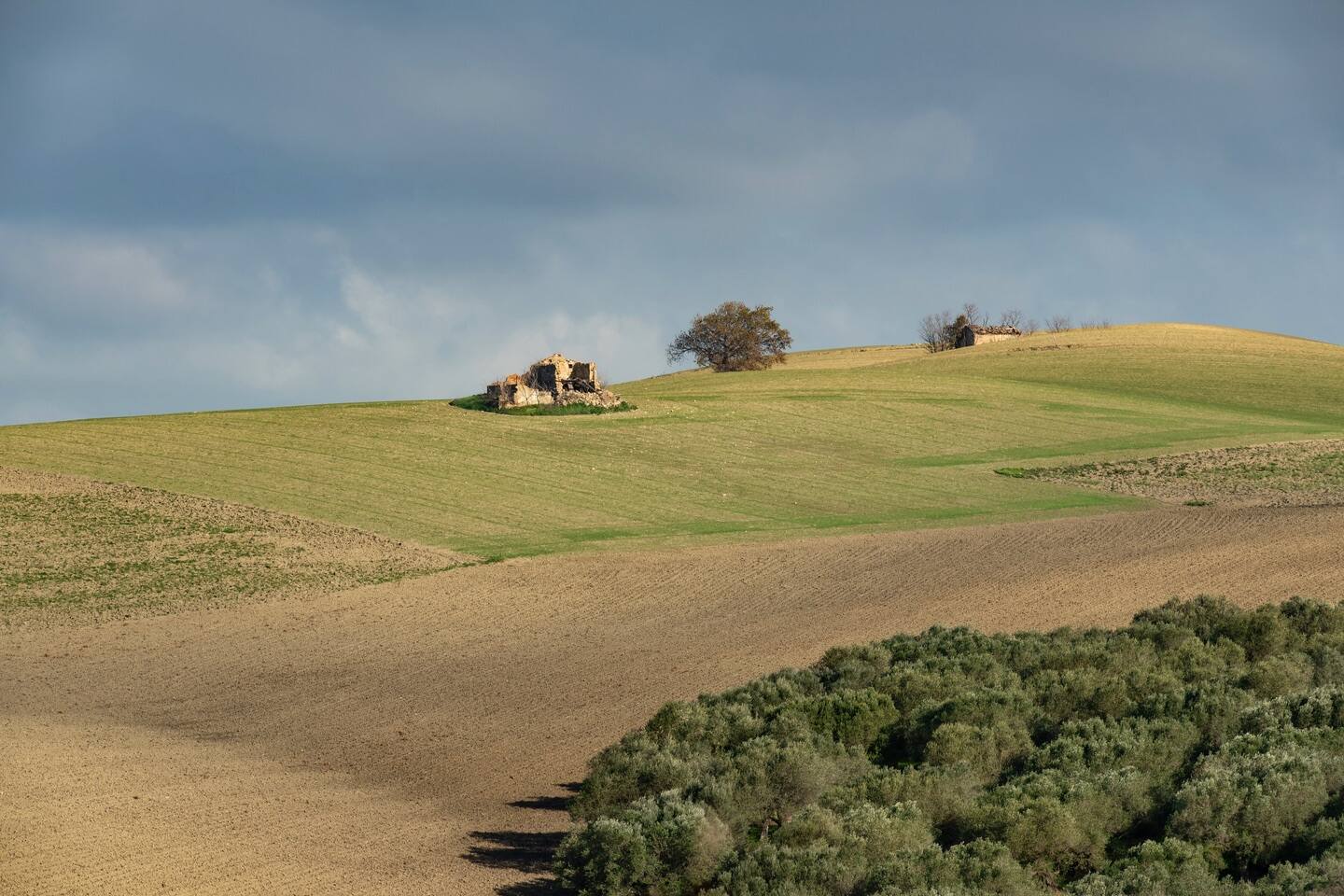
Photo courtesy of Salinas Holcomb
I
The region
Molise
Italy’s least-explored corner
One of the youngest and least-explored regions of Italy — an ancient part of the backbone of the country, between the Apennine mountains and the Adriatic sea.
- Between
- Apennines & Adriatic
- Before Rome
- Samnite heartland
- Native grape
- Tintilia
- Our village
- Bagnoli del Trigno
Untouched and undeveloped
Molise that is still attached to its ancient ways
We help preserve local authenticity. An ancient part of the backbone of Italy, between the Apennine mountains and the Adriatic sea. Farming is traditional, respect for elders’ opinions and ways, a kitchen blessed in the way grandmothers baked. Even dialects differ from village to village.
At the same time, towns with super restaurants and wine remain to be explored.
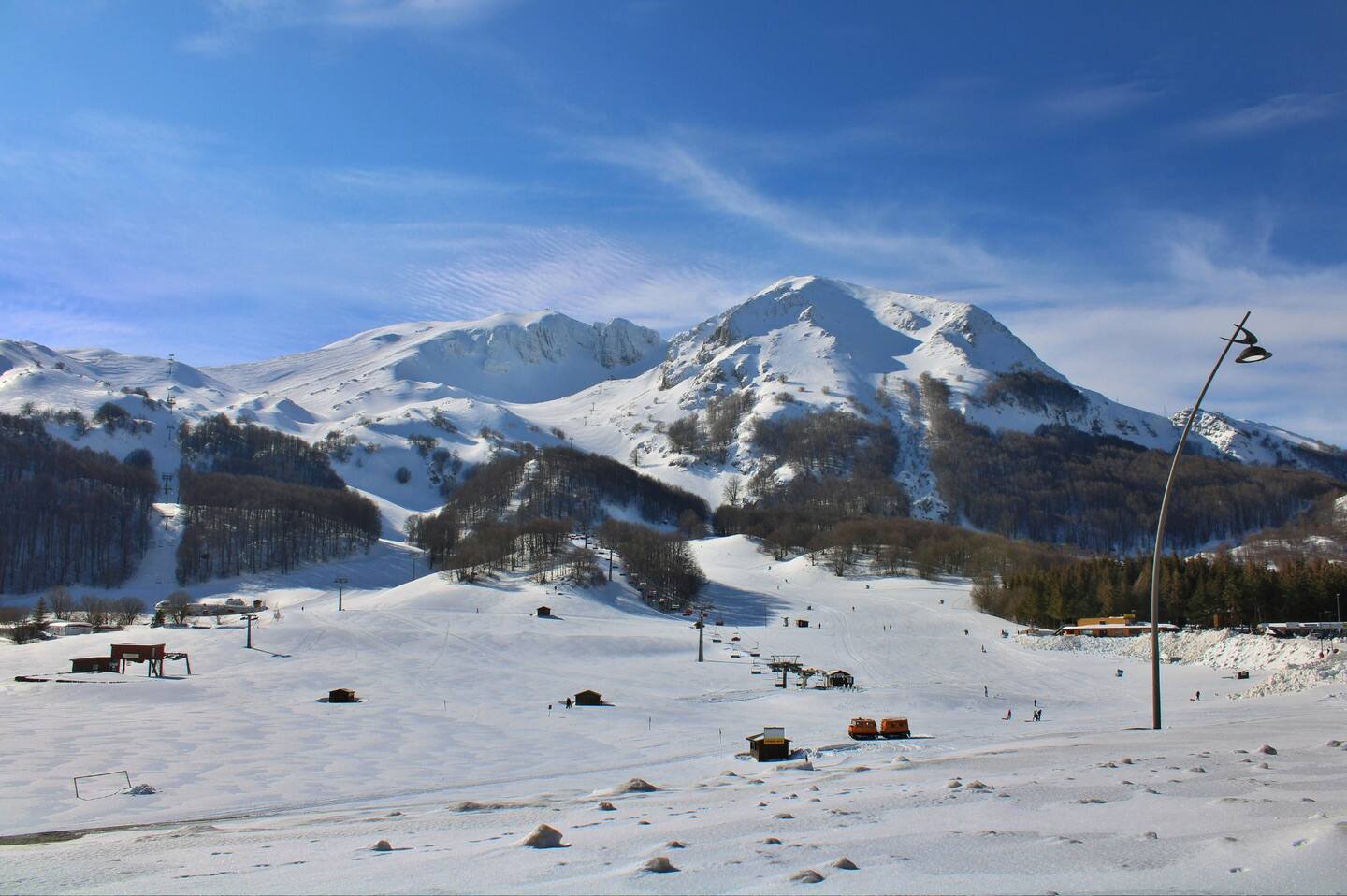
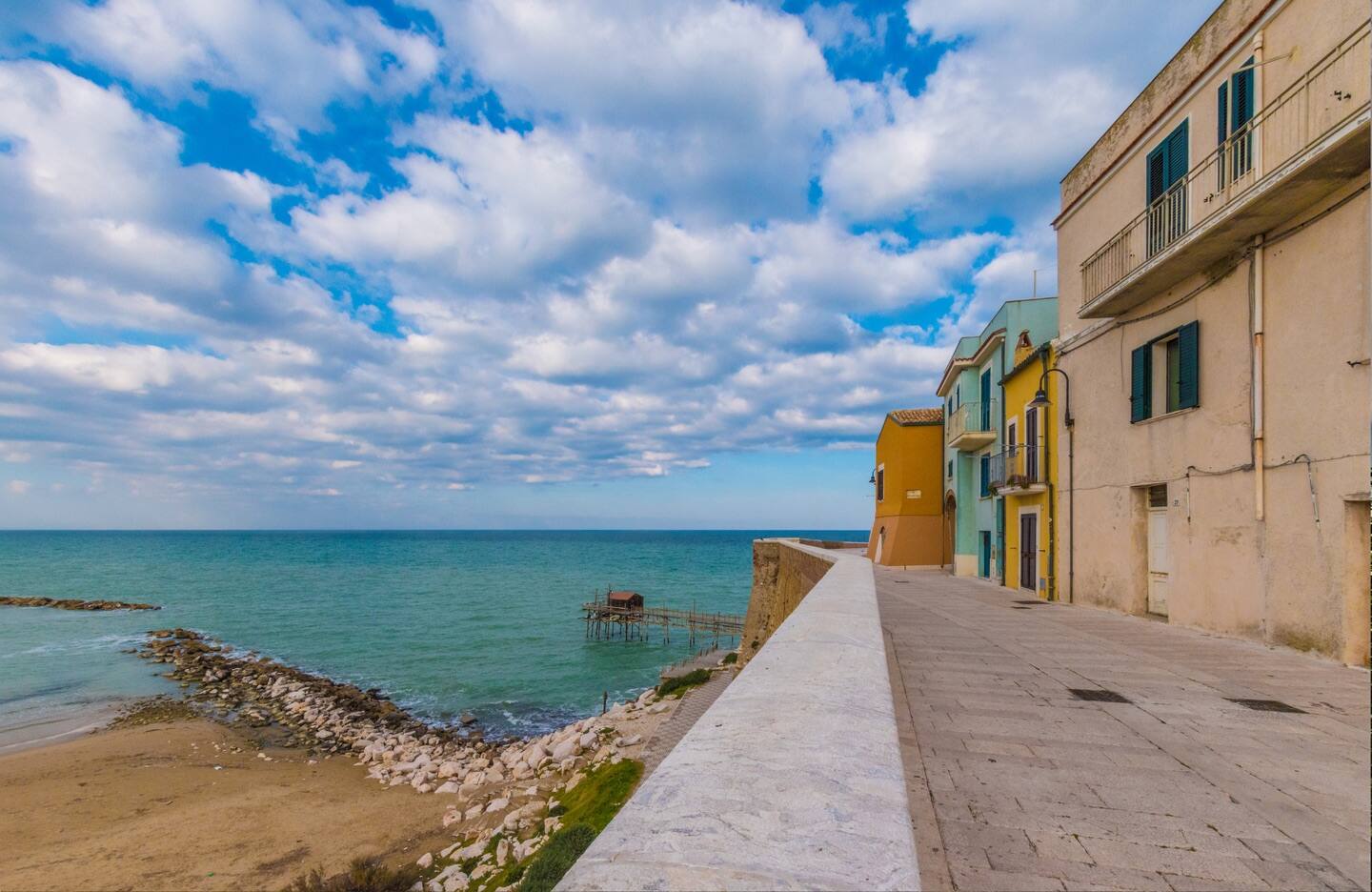
Molise is one of the youngest and least-explored regions. It has skiing, swimming, local foods to experience, castles to study. It is often a step back to an easier time. Views that make one stop and inhale.
Between the Apennines & the Adriatic
From the mountains to the sea
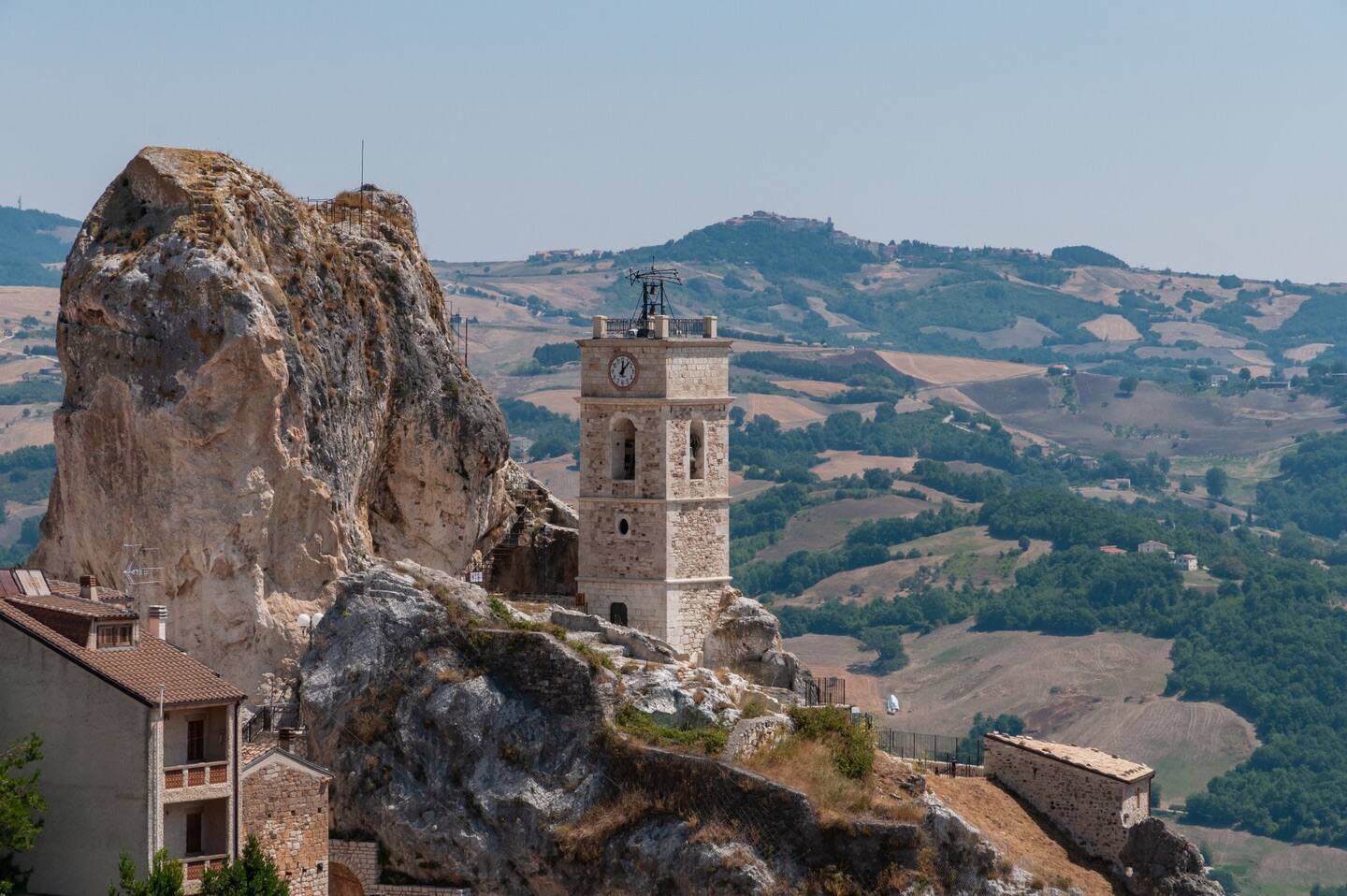
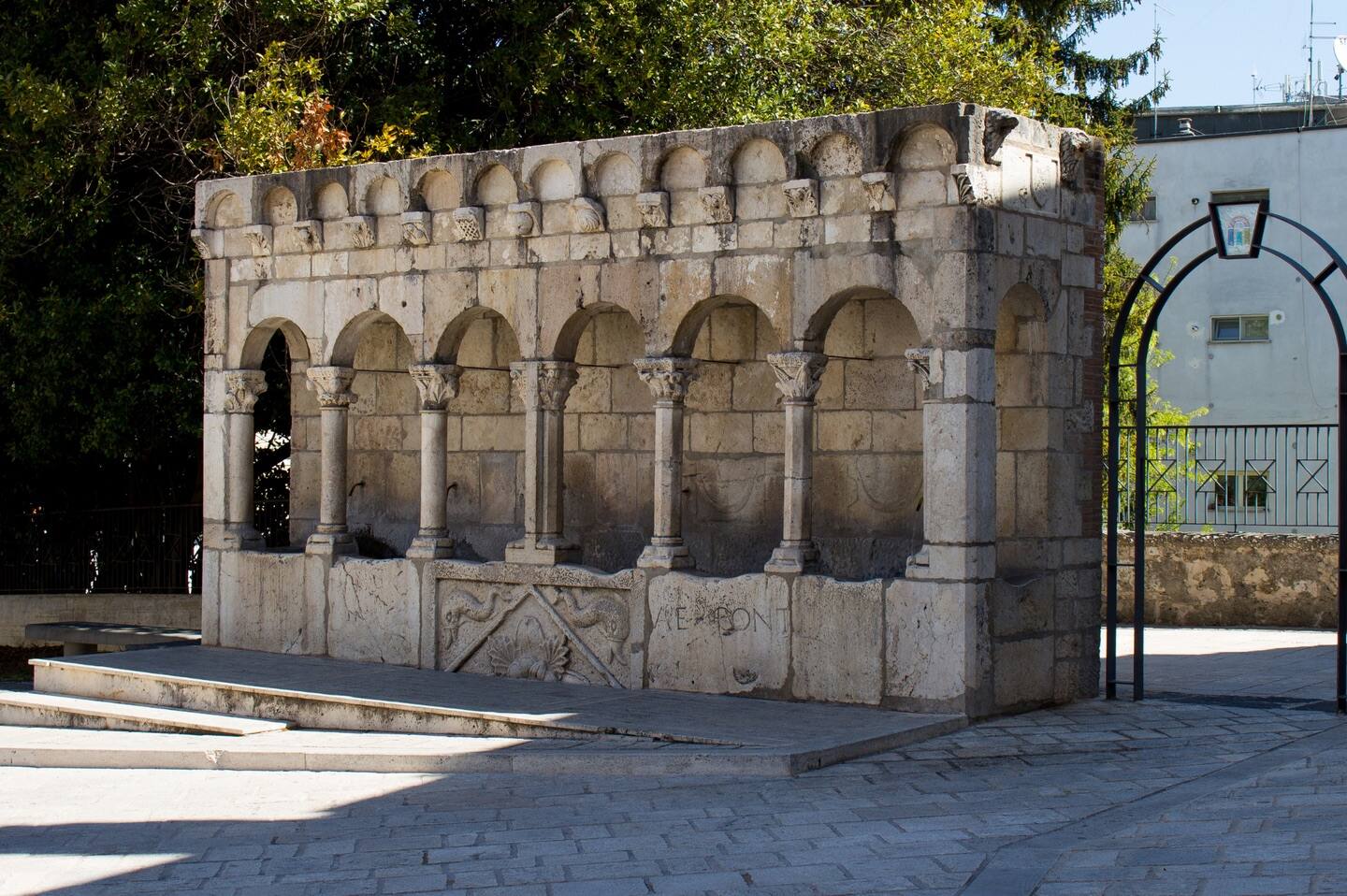
Ancient civilisations
A landscape shaped long before Rome
The hills and valleys of Molise hold a depth of history that is easy to overlook. Quiet today, this region was once a crossroads of ancient cultures, armies, and belief systems that helped shape early Italy.
Before Rome’s dominance, Molise was the heartland of the Samnites, a powerful Italic civilisation known for its resilience, military skill, and deep connection to the land. Living in fortified hill towns, the Samnites built their world around mountains, pasture and ritual.
One of Molise’s most remarkable archaeological sites is Pietrabbondante, a high-altitude complex dedicated to Samnite religious and civic life. Its stone theatre and temple were carved directly into the mountain, aligning architecture with the surrounding landscape.
Food
A landscape you can taste
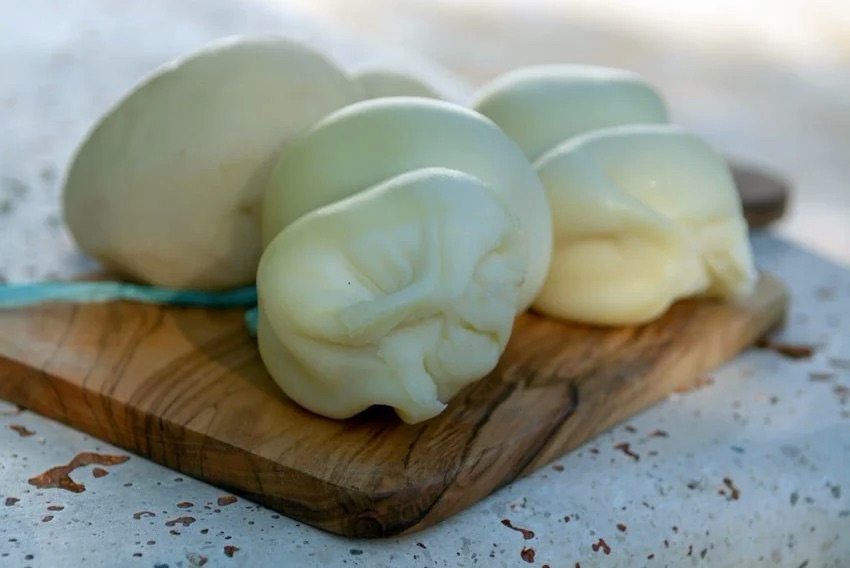
Food in Molise is not curated — it is inherited. Recipes here are shaped by terrain, season, and necessity, passed down through families who have worked the same land for generations.
Sheep graze in high pastures, olive trees cling to slopes, grains grow in open fields, and vegetables thrive in small family gardens. The result is a cuisine rooted in restraint. In Molise, food does not travel far. It doesn’t need to.
Olive oil comes from nearby groves, vegetables from small plots, cheese from local dairies, and bread from regional grain. Knowing where food comes from creates a direct relationship between land, cook, and table.
Wine
The Tintilia revival
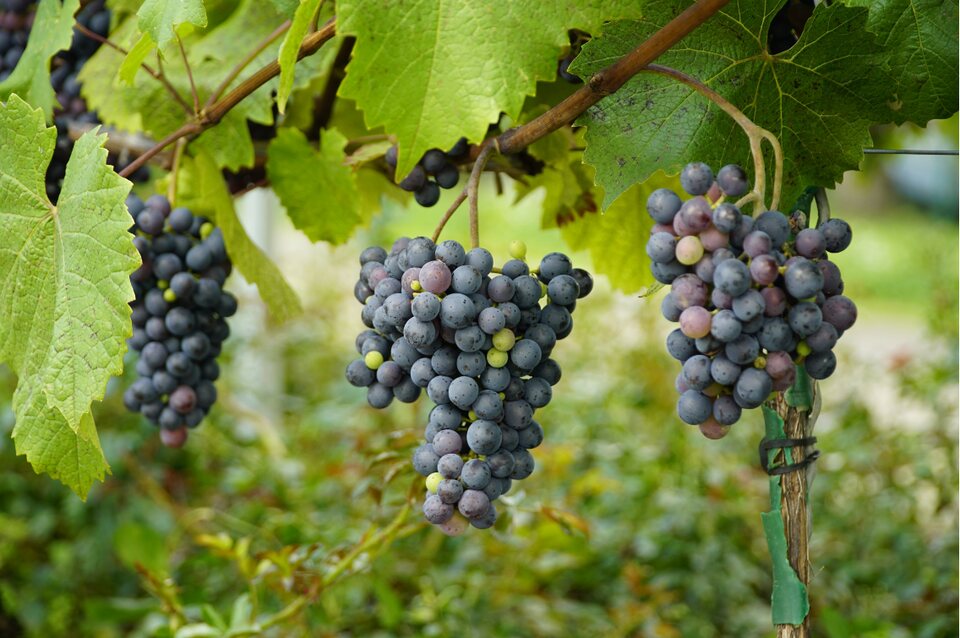
The revival of Molise wines is a journey in terroir and discovery. For decades Molise remained one of Italy’s best-kept secrets. Tucked between the Adriatic sea and the Apennine mountains, this small region was often overlooked in favour of its more famous neighbours.
At the centre of this renaissance is Tintilia, Molise’s native red grape. Once at real risk of disappearing, Tintilia has now become a symbol of the region’s resilience and pride. Its deep colour, vibrant acidity and elegant spices offer a distinctive experience.
Among the wineries leading this revival is Di Majo Norante, a family-owned estate in Campomarino, and one of the most respected ambassadors of Molise wines. What makes these wines particularly special is their rarity outside of Italy — for wine lovers, a unique opportunity.
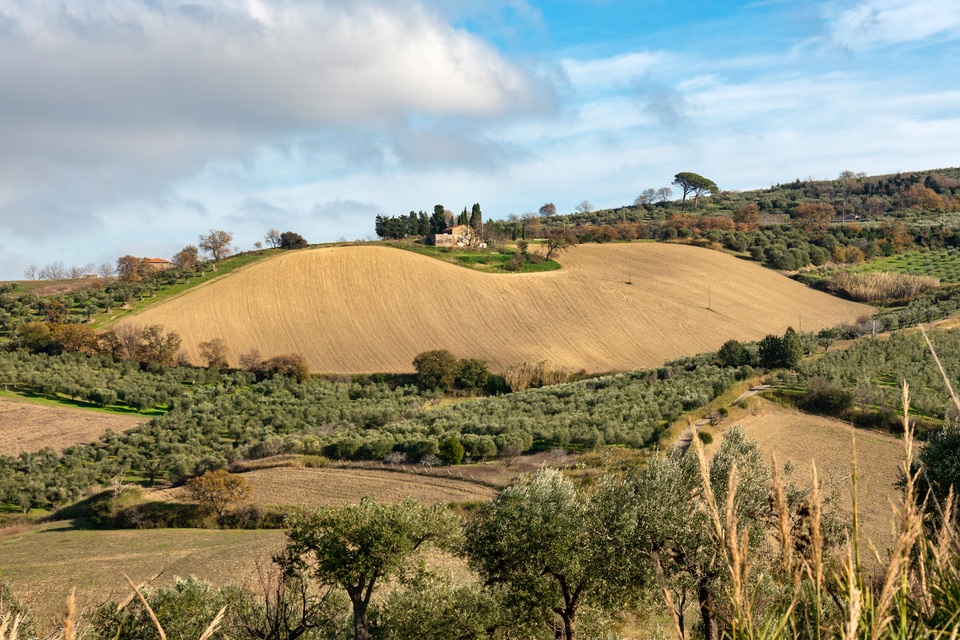
Photo courtesy of Salinas Holcomb
Olives & traditional farming
Following the flow of the season
Our members can enjoy local experiences following the natural flow of the season in the local farms, learning how to traditionally make local food.
We also promote history and architecture by arranging tours around the beautiful villages to enjoy the antique architecture with local guides.
- Olive picking
- Farm-to-table dining
- History walks
- Archaeological visits